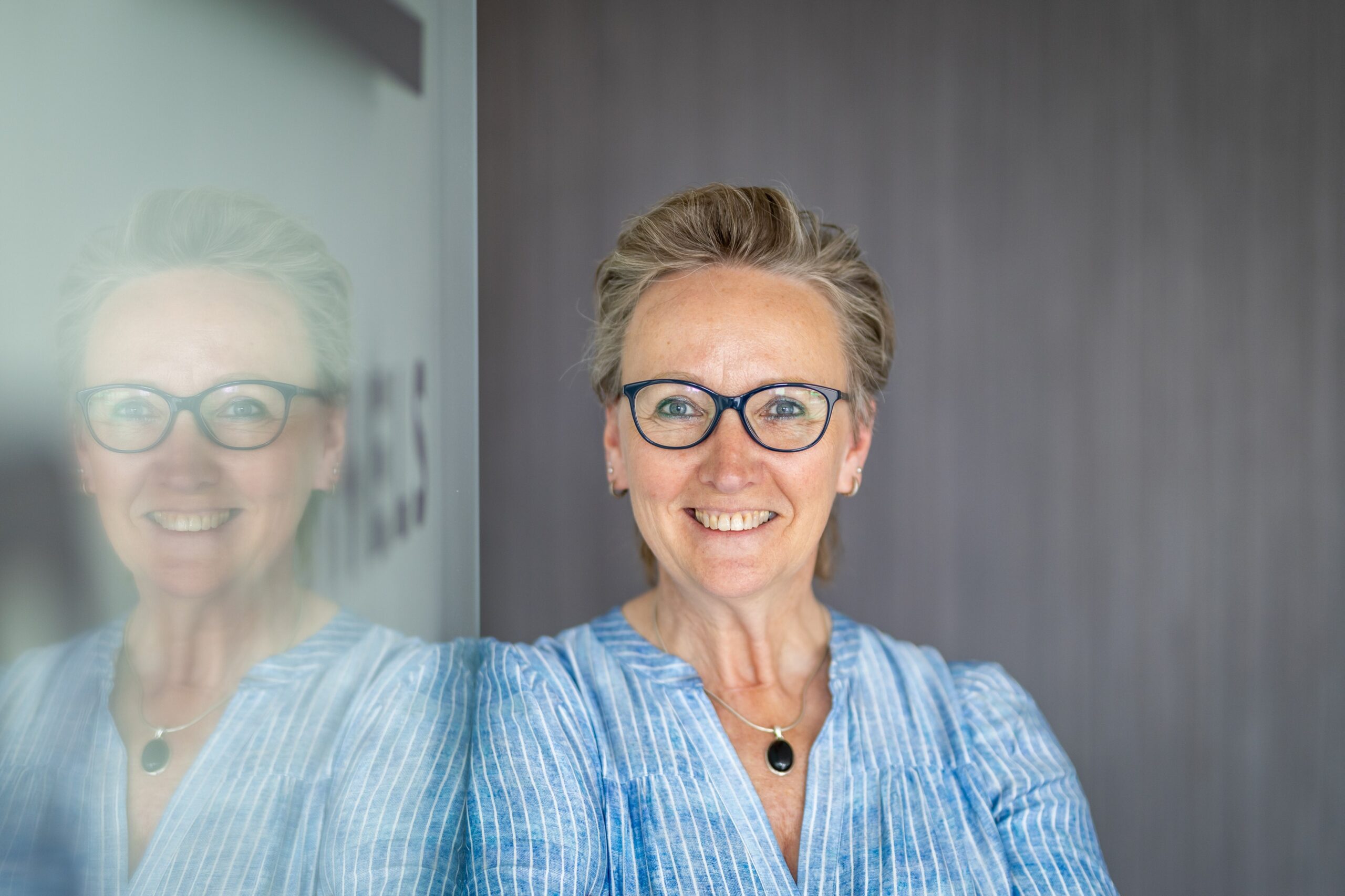
“Lung cancer is the second most common cancer in our country, and the deadliest. That’s because symptoms usually appear only at a late stage, when the cancer has already spread and survival rates are low.”
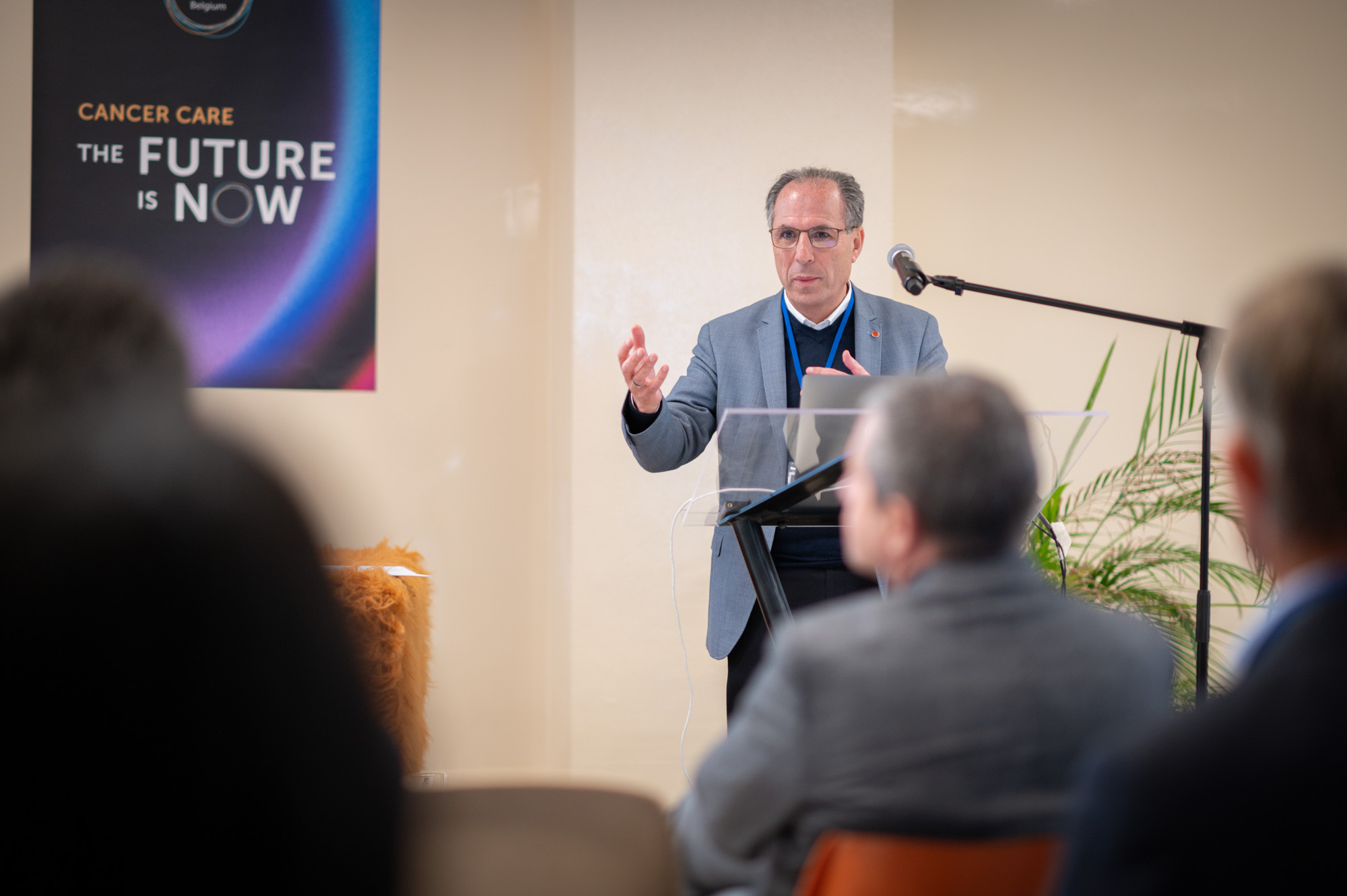
Dr. Annemiek Snoeckx is an associate professor at the University of Antwerp, head of radiology at Antwerp University Hospital (UZA), and lead investigator of the ZORALCS study.
In recent years, she explains, research has shown that early detection of lung cancer using low-dose CT scans in high-risk individuals can significantly reduce the risk of death from the disease.
Translating science into practice
“This strong scientific evidence now needs to be translated into clinical practice and integrated into our healthcare system. To do that, we need implementation research — a goal supported by both the EU and Flanders — and that’s exactly what we’re doing with ZORALCS.”
The study’s name is derived from the ZORA primary care area (Southeast Antwerp Area), and the research is taking place in the municipalities within that zone: Boechout, Kontich, Lint, Mortsel, Edegem, and Hove.
“Our biggest challenge is identifying all high-risk individuals — people who have smoked for many years or did so for a long time,” says Dr. Snoeckx. “That kind of information isn’t always readily available in patient records, so we need other ways to reach them. One way we’re doing that is through an online platform where potentially eligible participants answer a short set of questions.”
To estimate someone’s likelihood of developing lung cancer based on current or past heavy smoking, ZORALCS uses a risk prediction model. “It considers pack-year smoking history but also factors like family history, any diagnosis of COPD, BMI, education level, and more.”
“To gather that information, participants fill out a brief questionnaire on our secure online platform, which is protected using itsme. They receive immediate feedback on whether it’s recommended they schedule a CT scan.”
Digital barrier?
Visiting a website, logging in with itsme, answering questions—how accessible is that for everyone? “It’s a barrier, but one we can’t avoid for privacy reasons,” Dr. Snoeckx acknowledges.
“We recommend that people who are less comfortable with digital tools ask their children or grandchildren for help. Our invitation letters also include information about local digital assistance centers in each municipality, where people can get in-person help.”
“To reach as many people as possible, we’re also collaborating with primary care providers, pharmacists, other healthcare professionals, municipal governments, social service agencies, senior councils, and local organizations. We’re also running campaigns on social media.”
‘GPs, pharmacists, physical therapists, and home care nurses are all close to their patients. We need all of them to ensure we reach everyone’
But with primary care already overstretched, is it realistic to expect GPs to play a role?
“We’re not asking them to conduct the screening or fill out any forms. All we ask is that they inform their patients—let them know that this free screening is available, and if someone smokes or used to smoke heavily, give them a gentle nudge to visit our online platform. GPs, pharmacists, physical therapists, and home care nurses are all close to their patients. We need all of them to ensure we reach everyone.”
Reaching all education levels
In three of the six municipalities, invitation letters have already been sent with more than 10,000 people have been invited to take the online test. Dr. Snoeckx: “More than 350 people have already made appointments for scans. Overall, recruitment is going well. It’s hard to say exactly what percentage of high-risk individuals we’re reaching because we don’t know the exact size of that population.”
‘We’re reaching a large group of people with lower educational attainment — something that’s often harder to achieve in studies like this.’
“What’s encouraging is that nearly half of respondents indicate that high school was their highest level of education. That means we’re also reaching a large group of people with lower educational attainment — something that’s often harder to achieve in studies like this.”
In Flanders, population screening invitations are legally required to be in Dutch, but QR codes let recipients access the information in other languages. “We’re also exploring ways to run more targeted campaigns for different cultural communities.”
Support for smoking cessation
The CT scans are performed at UZA on Saturdays — about 30 per week. “A dedicated team is present for the lung cancer screenings,” says Dr. Snoeckx. “Everything runs smoothly. At the same time, we’re also conducting a smoking cessation study called TAMIRO-STOP. Eighty percent of smokers participating in ZORALCS are also taking part in this program.”
“TAMIRO-STOP is evaluating the added value of intensive smoking cessation support. Participants are divided into two groups: one receives structured support from a tobacco counselor, while the other receives only brief information about available resources.”
“I hope the study will show that offering intensive help at the time of screening significantly increases the chance of success. Combining screening with support also adds substantial value from a cost-effectiveness standpoint.”
It’s still too early to say how many lung tumors have been found through ZORALCS. “But we’ve already identified a number of very suspicious abnormalities,” says Dr. Snoeckx.