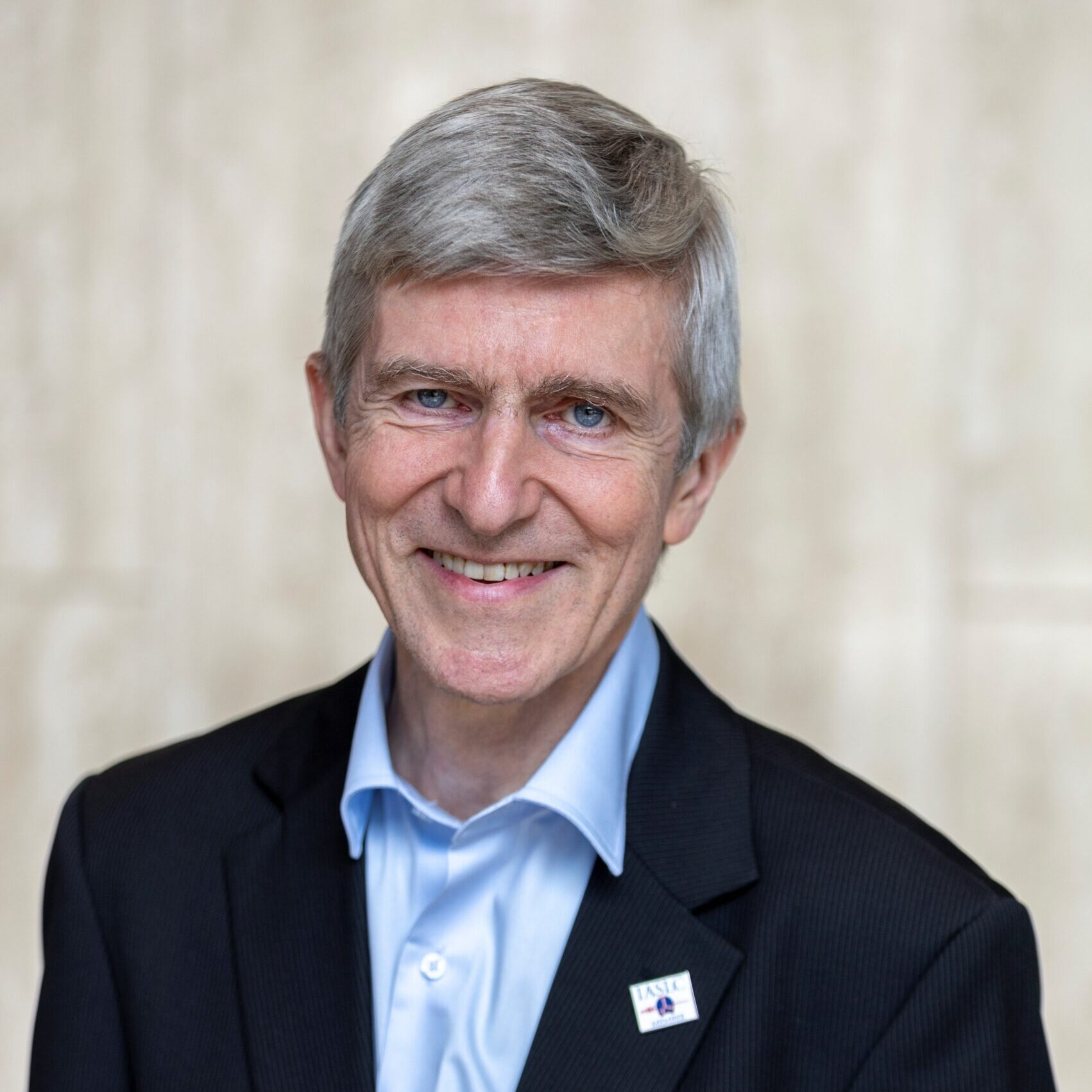
Professor Van Schil graduated from medical school with great honour in 1982 at the Antwerp University in Belgium. After completing his training in general surgery, he became a fellow in the Department of Cardiothoracic Surgery at the Antonius Hospital, Nieuwegein, the Netherlands. His doctoral thesis was entitled “Bronchial sleeve resection for lung cancer: long-term results” (University of Nijmegen, the Netherlands, 1992).
In 1990 he became a staff member at the Department of Surgery of the Antwerp University Hospital. He was chair of the Department of Thoracic and Vascular Surgery from 2000 till 2019. Currently, he is professor emeritus in thoracic and vascular surgery at the Faculty of Medicine and consultant at the Department of Thoracic and Vascular Surgery of the Antwerp University Hospital.
From October 2013 till October 2014 he was president of the European Association for Cardio-thoracic Surgery (EACTS). In 2017 he became member of Board of Directors of the International Association for the Study of Lung Cancer (IASLC) and chair of the lung cancer domain of its Staging and Prognostic Factors Committee (SPFC). In September 2021 he was appointed president-elect of IASLC, and in September 2023, president of this worldwide organization. Currently, he is an associate editor of the Journal of Thoracic Oncology, Pulmonology and Acta Chirurgica Belgica. His main interests are thoracic and vascular surgery with a special emphasis on lung cancer staging and therapy, lung metastases, thymoma and mesothelioma.
Professor Van Schil will represent the International Association for the Study of Lung Cancer (IASLC) , for which he is the president until 2025.
His wealth of expertise and extensive experience will undoubtedly be invaluable assets to our LCWG and organization. We look forward to working together towards our mission. Welcome aboard, Professor Van Schil!